Moving from Alberta to BC’s Boundary Country: What You Need to Know
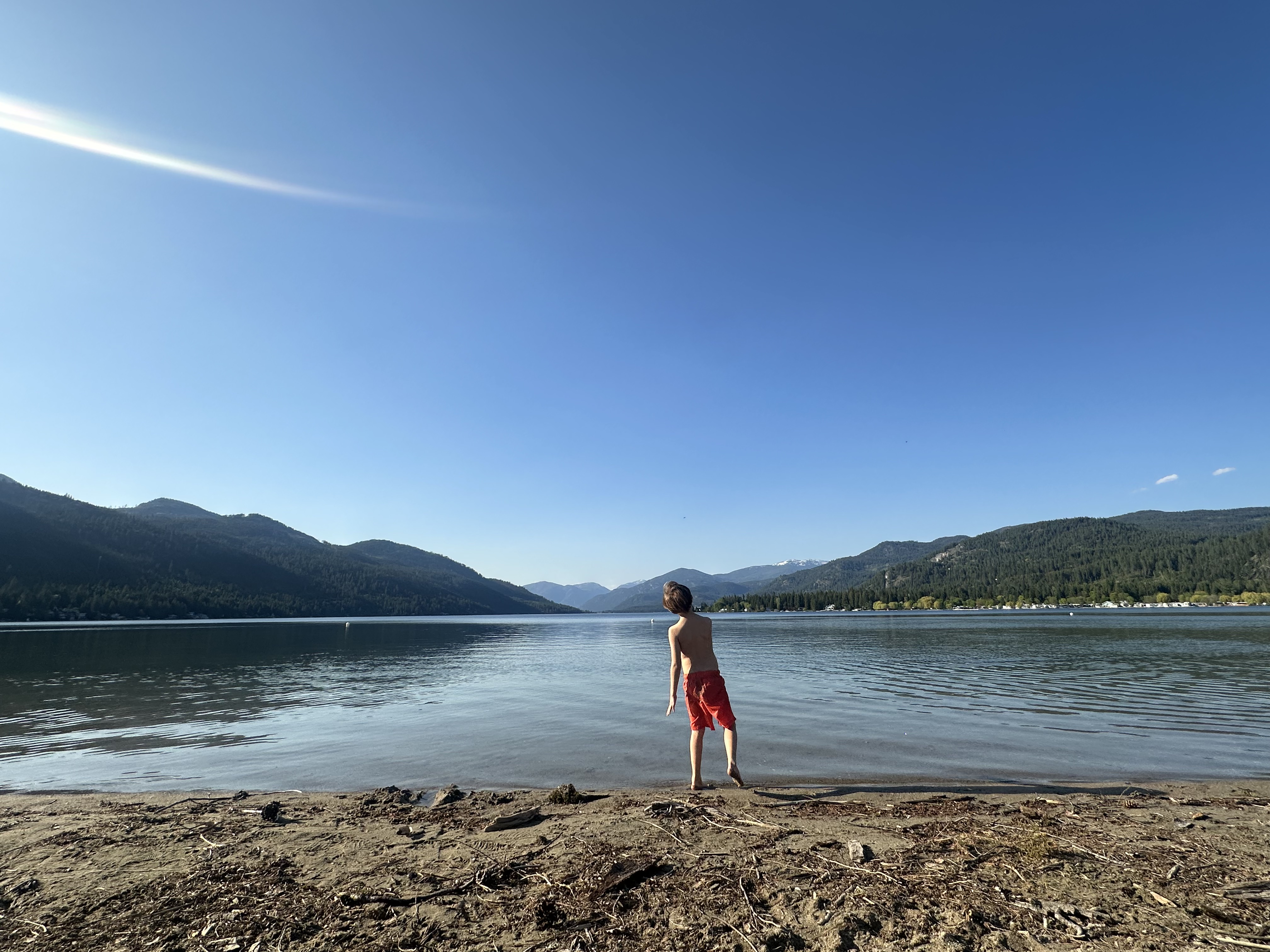
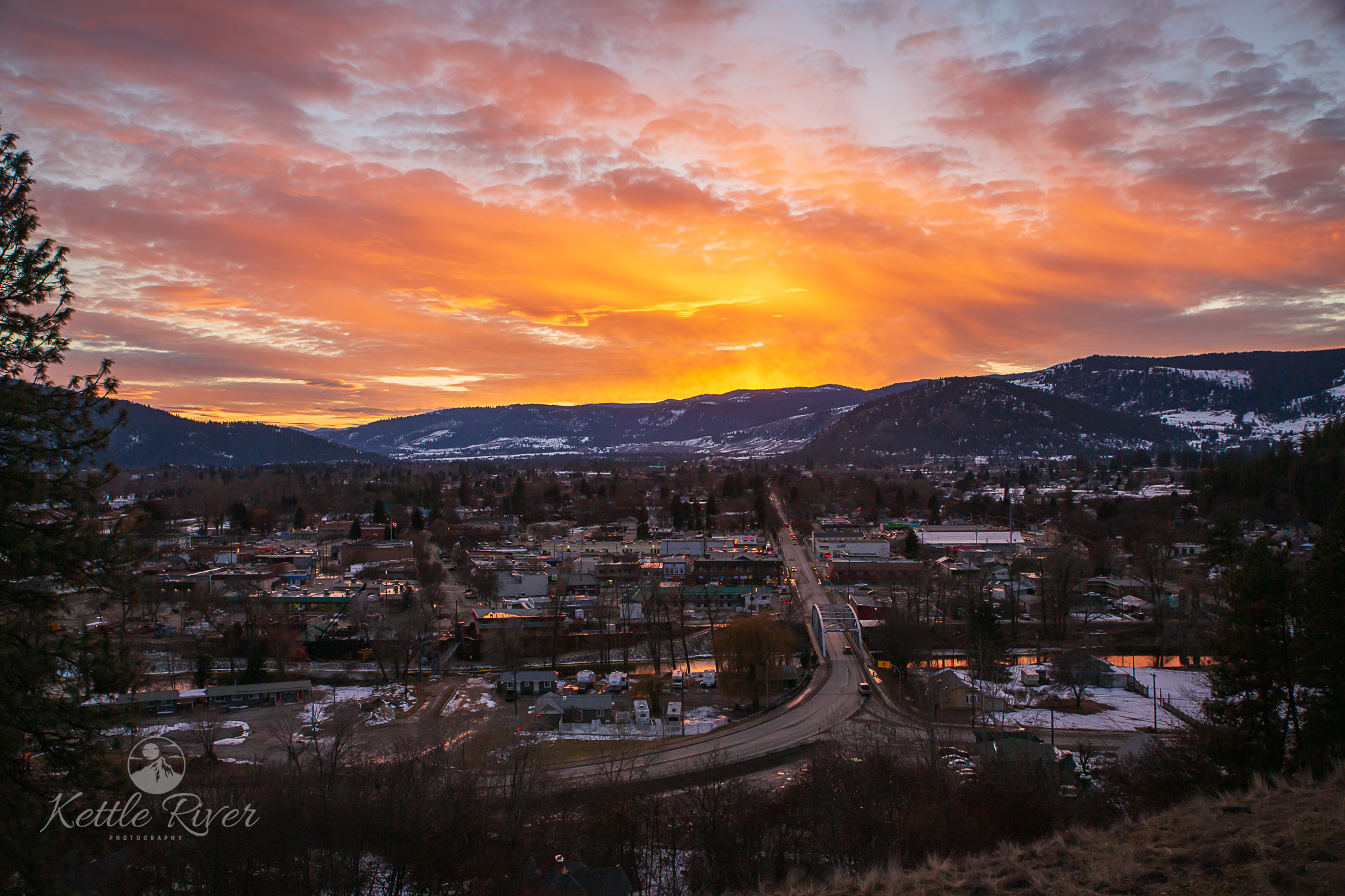
Every week I talk to families in Calgary, Edmonton, and Red Deer thinking about a move to BC — most of them are looking at Grand Forks or Christina Lake. They’re drawn by milder winters, the lake, the slower pace. They’re also nervous — leaving everything you know is a big deal. This is what I tell them about moving to the Boundary Country.
The drive is shorter than you think
Calgary to Christina Lake is about 6.5 hours, mostly on the Crowsnest Highway. Edmonton to Grand Forks is closer to 9 hours. Compare that to Vancouver from Calgary (10 hours) or Kelowna (8 hours), and the Boundary is genuinely closer to your family back home than most BC destinations. I’ve had clients drive home for Christmas, weekend hockey tournaments, family events. It’s doable.
The cost difference is real, but not what you expect
Real estate here is significantly more affordable than Calgary. A nice 4-bedroom home in Grand Forks runs $500,000 to $700,000 — in Calgary that’s a townhouse. Acreages with character on 5 to 10 acres land in the $700,000 to $1 million range. Christina Lake waterfront is the exception (genuine lakefront starts around $1 million) but for most family homes, your dollar goes much further.
The catch: BC has a Property Transfer Tax that Alberta doesn’t. On a $600,000 home, that’s about $10,000 owed at closing. Budget for it. (More on closing costs and the buying process.) There’s also a foreign buyer ban (which doesn’t affect you as a Canadian) and a Speculation and Vacancy Tax (which doesn’t apply to most of the Boundary Country since it’s outside the designated taxable regions). I’ll walk you through the specifics on any property you’re considering.
What about ICBC?
BC’s public auto insurance trips up almost every Alberta transplant. You’ll need to register your vehicle with ICBC within 30 days of moving. Bring your Alberta registration, BC driver’s licence, and proof of address. Insurance rates are generally higher in BC than Alberta — budget an extra $50 to $100 per month per vehicle. Your Alberta driving record and any safe-driver discounts do transfer (under the new Enhanced Care system) which is helpful.
Healthcare: the 3-month rule
BC has a 3-month wait period for new residents to qualify for MSP coverage. During those 3 months, your Alberta Health coverage continues, but only for emergencies. For routine care or planned procedures, you’re on your own. Apply for MSP as soon as you arrive — the clock starts from your arrival date, not the application date.
Worth knowing: Grand Forks has a hospital with emergency services. The Christina Lake clinic has 3 family physicians — see more about life at the lake. Both are accepting new patients, sometimes. It’s easier to find a family doctor here than in many BC cities right now.
Schools, Tim Hortons, and groceries
School District 51 covers Grand Forks and Christina Lake. There are elementary schools in both communities and a strong secondary school in Grand Forks. (More on what daily life in Grand Forks is actually like.) The schools are smaller than what most Alberta families are used to — in Calgary your kid’s class might have 30 students. Here, classes typically run 18 to 22. Teachers know every kid by name.
Yes, there is a Tim Hortons in Grand Forks. There’s a Save-On-Foods, a Buy-Low Foods, and a thriving farmers’ market in summer. You won’t find Costco closer than Kelowna (2.5 hours). Most people make a Costco run every couple of months and stock up.
Winters are real, but milder
Calgary’s coldest weeks hit -30°C with windchill. Grand Forks bottoms out around -15°C in a normal winter. The valley collects fog and inversion in January, which can be moody, but you’ll generally trade Calgary’s deep cold for milder, wetter winters here. Snow tires are still essential. Eholt Summit on Highway 3 between Greenwood and Grand Forks (1,000 metres elevation) gets steep snow at times — check DriveBC before driving in winter.
The community piece
This is the part that’s hardest to convey on a website. The Boundary Country is small. People say hi to each other. It’s a big part of why so many people consider retiring here. The grocery cashier remembers your name after a few visits. Your kids’ friends become your friends. There’s a strong volunteer culture — the curling club, the museum, the ski hill, the school PAC, the Mushroom Festival — all of it runs on neighbours pitching in. If you’re coming from a city, that takes some getting used to. Most people I work with come to love it.
The hardest part of moving here isn’t the move. It’s realizing how many years you spent in a city you didn’t actually need to be in.
What I tell every Alberta family
Come visit twice before you commit. Once in summer when the lake is at its best, once in February when winter is at its hardest. If you still want to move after seeing both seasons, you’re ready. If you’re still on the fence, that’s useful information too.
I moved here from the coast in 2021. I’ve helped Alberta families settle into Grand Forks, Christina Lake, and Greenwood since then. If you’re thinking about a similar move, get in touch. I’m happy to chat about specific neighbourhoods, schools, what your budget would actually buy, and the practical logistics of relocating from Alberta.
Thinking of making a move to the Boundary Country?
I love helping people find the right property and the right community for their next chapter. Get in touch and let’s talk about what you’re looking for.
Contact KatherineDisclaimer. Real estate prices and market conditions change, sometimes quickly. The figures here reflect what I was seeing when this was written. For current pricing, listings, or specifics about your own situation, get in touch.